Picky Kitchen
Choosing the healthiest materials for kitchen utensils is critical for maintaining a safe cooking environment. Recent industry reports indicate that many kitchen utensils contain harmful chemicals. For instance, the Environmental Working Group highlights that some plastics can leach toxins into food when heated. These insights raise the question: what are the healthiest materials for kitchen utensils?
According to Dr. Sarah Lee, a leading expert in food safety, "Opting for natural materials like wood, stainless steel, and glass can drastically reduce health risks." She emphasizes the importance of selecting non-toxic options. Many consumers may not realize that certain materials can impact both food quality and well-being.
In many cases, the perfect utensil material is not easily identified. While bamboo offers sustainability, its durability is a concern. Stainless steel is robust but may react with acidic foods. Understanding the balance between safety and functionality is essential. Therefore, educating oneself on what are the healthiest materials for kitchen utensils is crucial for every home cook.
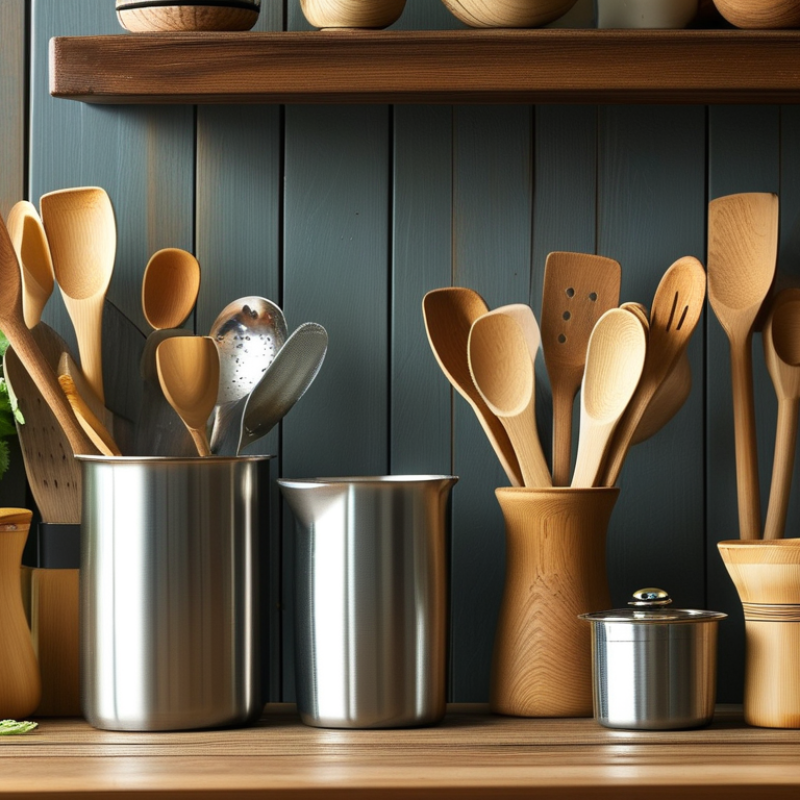
When choosing kitchen utensils, several factors deserve careful consideration. The material’s safety is paramount. Stainless steel, bamboo, and silicone are popular. They are durable and generally safe for food use. However, some materials may retain heat or react with certain foods. It’s important to research these characteristics before making a decision.
Another key factor is ease of cleaning. Some materials, like wood, may require special care. They can harbor bacteria if not maintained properly. On the other hand, metal and silicone utensils are often dishwasher-safe. Consider how much time you can dedicate to cleaning and maintenance.
Lastly, think about environmental impact. Choosing sustainable materials can contribute to a healthier planet. Bamboo is a good option as it grows quickly and reduces waste. However, not all bamboo products are created equal. Some may use treatments that are not eco-friendly. Reflect on your values. Balance practicality with a commitment to sustainability when making your final choices.
When choosing materials for kitchen utensils, safety should be a priority. Opt for options with high safety ratings and proven durability. Stainless steel is a popular choice; it is resistant to rust and does not react with food. Bamboo utensils are also great. They are biodegradable and less likely to harbor bacteria. However, be cautious about their cleaning methods as they can absorb odors.
Consider the environmental impact of your choices. Silicone utensils are flexible and heat-resistant. They provide a non-stick surface but may degrade over time if exposed to high heat. For those who prefer glass, it is non-reactive and easy to clean. However, glass can break easily, so handle with care.
Choosing the right utensils involves some reflection. Some materials may look good but not stand up to daily use. Plastic utensils can warp and leach chemicals if not chosen wisely. Always check for FDA approval or food-grade certification when selecting options. Paying attention to these details enhances safety and health in your kitchen.
When selecting kitchen utensils, understanding the materials is crucial. Stainless steel is a popular choice. It is durable and resistant to rust. However, not all stainless steel is created equal. Some lower-quality products can leach harmful chemicals, especially under high heat. It’s important to check for food-grade stainless steel, which is safer for food preparation.
Plastic utensils are lightweight and versatile. They come in various colors and shapes. Yet, some plastics can release toxins when exposed to heat. BPA is one such chemical to watch out for. Opt for BPA-free options, but even then, prolonged use can lead to microplastics in food. This raises concerns about long-term health impacts.
Wooden utensils provide a more natural choice. They are biodegradable and can withstand high temperatures. However, they require proper maintenance. Moisture can cause wood to warp or crack, leading to bacteria growth. Regular cleaning and oiling are necessary to keep them safe for cooking. Consider these factors to navigate the complexities of kitchen utensil materials effectively.
| Material | Benefits | Potential Risks | Safety Rating (1-5) |
|---|---|---|---|
| Stainless Steel | Durable, non-reactive, and easy to clean. | May leach nickel; irritation in sensitive individuals. | 5 |
| Wood | Natural, biodegradable, and gentle on cookware. | Can harbor bacteria if not properly cleaned. | 4 |
| Silicone | Flexible, heat-resistant, and non-stick. | Potentially leaches harmful chemicals at high temperatures. | 4 |
| Plastic | Lightweight and inexpensive. | Potential for chemical leaching, especially BPA. | 2 |
| Bamboo | Sustainable and naturally antimicrobial. | Can splinter or crack if not cared for properly. | 4 |
The kitchen is often the heart of the home, and the materials used for utensils can significantly impact health. Non-stick coatings are popular due to their convenience. However, several studies raise concerns about their safety. Research from the Environmental Protection Agency indicates that certain chemicals, like perfluorinated compounds (PFCs), present in many non-stick products, may pose health risks. These substances have been linked to hormonal disruptions and other serious health conditions.
One concern revolves around the potential for harmful chemicals to leach into food when non-stick pans are heated. A 2020 study published in the journal “Environmental Science & Technology” found that even non-stick cookware labeled as safe can release harmful particles at high temperatures. The study calls for greater scrutiny on production standards and warns consumers to be cautious.
Despite their convenience, many non-stick utensils might require more investigation. While they are easy to clean, the long-term health implications are still unclear. Some experts suggest opting for alternatives made from stainless steel, cast iron, or glass. These materials do not contain toxic coatings, minimizing potential health risks for everyday cooking. As awareness grows, consumers are encouraged to make informed choices about the utensils they use, prioritizing safety over convenience.
Maintaining kitchen utensils involves several best practices to ensure longevity and safety. Regular cleaning is essential. Use warm, soapy water to wash utensils. Avoid abrasive sponges that could scratch surfaces. Rinse thoroughly to eliminate soap residue. This not only keeps utensils hygienic but also preserves their quality over time.
Dry utensils completely before storing them. Moisture can lead to mold growth or even rust. Consider using a dedicated drying rack. Proper storage is also important. Store utensils in a drawer or a clean container to avoid damage from external elements.
Regularly inspect your utensils for signs of wear. Cracks or chips can harbor bacteria. If you notice any issues, it might be time to replace them. Remember, even the best materials have a lifespan. Reflect on your usage patterns and adjust accordingly. Prioritize safety by using utensils designed for specific tasks. This approach can lead to a healthier cooking environment.
: Food-grade stainless steel is safer. Check for quality to prevent harmful chemical leaching.
Plastic utensils can release toxins with heat. BPA-free options are better but still raise concerns.
Long-term use may lead to microplastics in food. This could impact health over time.
Wooden utensils need regular cleaning and oiling. Without proper care, they can harbor bacteria.
Non-stick coatings may release harmful chemicals when heated. Studies link them to serious health conditions.
Stainless steel, cast iron, or glass are better options. They don’t have toxic coatings, reducing health risks.
Materials can impact health and safety while cooking. Awareness helps make informed choices.
Consumers should investigate potential health risks. Convenience may come at a cost to safety.
Yes, moisture can warp wood. Proper maintenance is vital to avoid bacteria growth.
Utensils can significantly impact health. Choose wisely to ensure safety in food preparation.
When considering what are the healthiest materials for kitchen utensils, several factors come into play. It's essential to evaluate safety ratings, durability, and how the material interacts with food. Healthier options include stainless steel, glass, and certain types of wood, which are known for their safety and non-reactive properties. A comparative analysis of popular materials can reveal risks associated with plastics and certain non-stick coatings, which may leach harmful substances when heated.
Furthermore, studies highlight the potential health impacts of non-stick coatings, emphasizing the need for caution in their use. To ensure longevity and safety, adopting best practices for maintaining kitchen utensils, such as proper cleaning and storage techniques, is crucial. By choosing the right materials and following safety guidelines, you can create a healthier cooking environment.
