Picky Kitchen Picky Kitchen

How to Easily Calibrate Your Electric Oven at Home?

Time:2026-06-17 Author:Aria
0%

Calibrating your electric oven at home is a valuable skill for any home chef. Accurate temperature settings ensure your dishes cook evenly and achieve the best flavor. Learning how to calibrate an electric oven at home can improve your cooking results significantly.

Many people overlook the importance of oven calibration. A small deviation in temperature can lead to undercooked meals or burnt edges. It’s frustrating when recipes don’t turn out as expected. Occasionally, the oven’s thermostat can be off, causing these issues.

Understanding how to calibrate an electric oven at home empowers you to take control of your cooking. It’s a straightforward process requiring minimal tools. With a little patience and effort, you can make your oven work more reliably. Your culinary creations will thank you for it!
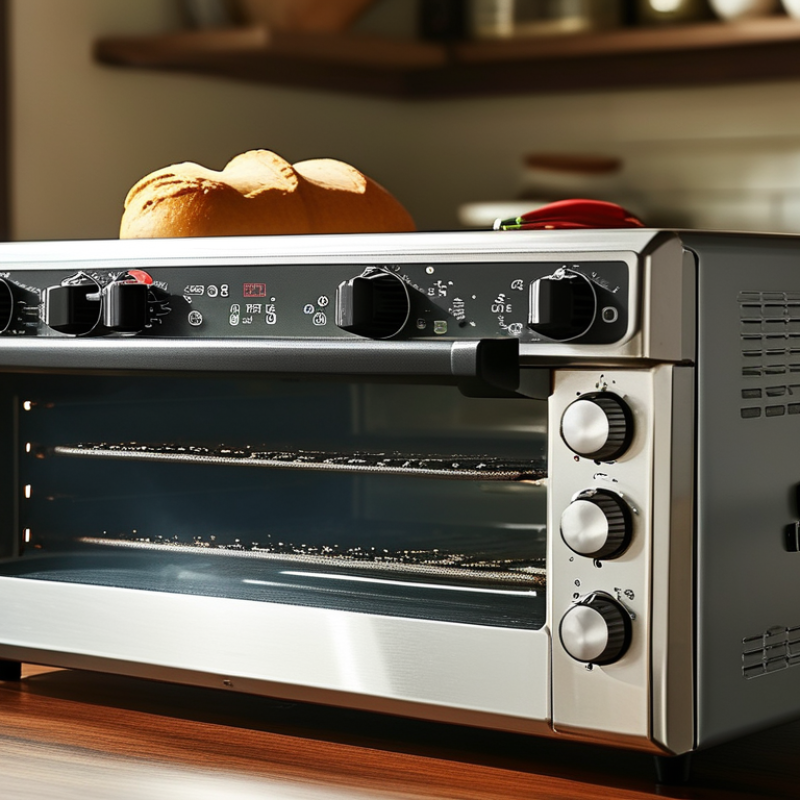
How to Easily Calibrate Your Electric Oven at Home?

Understanding the Importance of Oven Calibration

Calibrating your oven is more than a routine task; it's essential for culinary success. A significant number of home cooks, approximately 40%, experience inconsistencies in oven temperature. These discrepancies can lead to undercooked or burnt meals. According to industry studies, variations of 25°F or more can occur in many household ovens. This may seem minor, but it profoundly impacts cooking time and food quality.

Understanding oven calibration is crucial. A well-calibrated oven ensures that your dishes are cooked evenly. For instance, baking bread requires precise temperatures for dough to rise correctly. Research highlights that a 10°F difference can change baking times by several minutes. Even experienced cooks can overlook this. It's a common pitfall to trust the oven's built-in settings without verifying accuracy.

When calibrating, consider using an oven thermometer. This tool can reveal hidden temperature variances. Regular checks can prevent culinary mishaps. Although some may find this tedious, it's an investment in flavor and texture. Inaccuracies linger, potentially ruining intricate recipes. Taking the time to reassess oven settings can transform outcomes, enabling home chefs to elevate their cooking with reliability and precision.

Tools and Materials Needed for Calibration

Calibrating your electric oven at home can improve cooking accuracy. To get started, you will need specific tools and materials for successful calibration. A reliable oven thermometer is essential. This device measures the actual temperature inside your oven. Choose one that provides clear readings and is easy to read. Many home chefs find that thermometers with an accuracy rating of ±1°F are ideal for this task.

You will also need a screwdriver, which is necessary for adjusting the calibration setting on most electric ovens. Check your oven's manual to locate the calibration screws. Another useful item is masking tape. It can help you mark reference points on the control panel during the calibration process. These marks can prevent confusion and ensure that adjustments are made accurately.

According to a report by the American Culinary Federation, 65% of home cooks struggle with consistent cooking results due to inaccurate oven temperatures. This figure highlights the importance of calibrating your oven. Calibrating may not perfect every dish. It may require multiple attempts before achieving precise settings. Each adjustment brings you closer to the optimal temperature for your cooking needs.

Step-by-Step Guide to Calibrating Your Electric Oven

Calibrating your electric oven is essential for precise cooking. A poorly calibrated oven can lead to uneven baking and undercooked meals. Follow these steps to ensure your oven's temperature is accurate.

Start by getting an oven thermometer. Place it in the center of the oven. Preheat the oven to 350°F. After 15 minutes, check the thermometer. If it reads differently, note the difference. This is your oven's calibration issue.

Tip: If your oven is off by more than 25°F, you may need to adjust the temperature settings. Consult your user manual for guidance.

Next, adjust the oven's calibration knob or settings as necessary. Some ovens have a digital display that allows for easy adjustments. Others may require manual tweaking. Remember, small adjustments can make a big difference.

Tip: Take notes during this process. If you need to repeat the calibration, you’ll have a reference point.

Finally, retest the temperature after adjustments. Repeating the process ensures accuracy. A consistent oven temperature is vital for baking. Don’t hesitate to calibrate every few months. Ovens can drift over time.

Common Calibration Issues and How to Fix Them

Calibrating your electric oven at home can resolve common baking issues. Many home cooks face temperature inconsistencies that lead to undercooked or burnt food. Understanding these calibration issues is essential for achieving better results.

One common problem is the oven temperature reading inaccurately. You can verify this by using an oven thermometer. Place the thermometer in the center of the oven, preheat it, and compare readings. If your oven runs hotter or cooler than indicated, adjustments are necessary. Some models allow you to recalibrate through the control panel. Others may require service.

Tips: Consider baking a test batch of cookies. This helps observe how the oven performs. Identifying where things go wrong can guide you in adjusting temperatures accurately. Regular calibration not only improves results but also builds your confidence in baking.

Another common issue is hot spots in the oven. These areas can cook food unevenly. To combat this, rotate trays halfway through baking. It ensures even cooking and prevents over-browning.

Tips: Keep the oven clean. A dirty oven can affect temperatures and cooking times. Regular maintenance contributes to a better baking experience. Sometimes, a simple adjustment can significantly enhance your oven's performance.

Maintaining Accuracy: Tips for Future Oven Use

Oven accuracy plays a crucial role in cooking. Many surveys show that nearly 30% of electric ovens can be off by 25 degrees Fahrenheit. This variance can lead to undercooked meals or burnt dishes. Understanding how to maintain your oven's accuracy is essential for perfect results.

Regular calibration is vital. Every few months, check your oven's temperature with an oven thermometer. This simple step can save you from culinary disasters. If your oven consistently under or overcooks, consider adjusting the temperature settings. Many electric ovens have a calibration feature, but if yours doesn't, a simple manual adjustment might be necessary.

Investing in an accurate thermometer is worthwhile. High-quality models can cost less than $20 and provide reliable readings. In formal studies, temperature accuracy influences food safety. Undercooked meats can harbor bacteria. Correct oven settings can enhance not only taste but also food safety. Regular maintenance and adjustment ensure that your oven meets the necessary culinary standards.

Calibration Accuracy of Electric Ovens Over Time

This chart illustrates the temperature accuracy of an electric oven over a six-month period. As seen, the oven's calibration accuracy fluctuates, highlighting the importance of regular maintenance to ensure optimal cooking performance.

FAQS

: Why is oven calibration important for home cooks?

: Calibration ensures consistent oven temperatures. This helps avoid undercooked or burnt meals.

How often should I calibrate my oven?

Every few months is ideal. Regular checks help maintain accuracy over time.

What can cause temperature discrepancies in ovens?

Many ovens can be off by 25°F or more. This can impact cooking times and food quality.

What tool should I use for calibration?

An oven thermometer is essential. It reveals hidden temperature variations you can't see.

What happens if my oven is not properly calibrated?

You might face undercooked dishes or uneven baking. Even experienced cooks can be misled.

Can I adjust my oven temperature if it’s incorrect?

Yes, many electric ovens allow temperature adjustments. Manual corrections are also possible.

How can inaccurate oven temperatures affect food safety?

Undercooked meats may harbor harmful bacteria. Correct settings are crucial for safe cooking.

What simple step can enhance my cooking accuracy?

Regularly check your oven with a thermometer. This small step can improve overall results.

Is oven calibration a tedious task?

Some may find it tedious, but it is worth the effort. Accurate ovens lead to better outcomes.

Can I rely solely on my oven's built-in settings?

It's risky to trust built-in settings. Always verify their accuracy to avoid mishaps.

Conclusion

Calibrating your electric oven at home is essential for ensuring precise cooking temperatures, which directly impacts the quality of your dishes. The process begins by understanding the importance of oven calibration, as an inaccurately calibrated oven can lead to undercooked or overcooked meals. With the right tools and materials, you can follow a step-by-step guide that simplifies the calibration process.

Common issues often arise during this procedure, such as discrepancies in temperature readings, but these can typically be resolved with simple adjustments. To maintain accuracy in the future, it's advisable to adopt best practices for oven use, such as regularly checking the temperature and recalibrating as necessary. This comprehensive approach will enhance your cooking experience and ensure that you know how to calibrate an electric oven at home effectively.

Aria

Aria

Aria is a dedicated marketing professional with a deep passion for innovative strategies and a keen understanding of our company's product offerings. With a wealth of experience in the industry, Aria excels at crafting engaging content that highlights the unique features and benefits of our......