Picky Kitchen
Storing sharp kitchen knives properly is essential for safety and longevity. Many people rely on knife blocks, but not everyone has the space or budget for them. This raises the important question of how to store sharp kitchen knives without a block. Fortunately, there are several effective methods that can keep your knives organized, protected, and easily accessible.
Using magnetic strips is one innovative way to store knives. These strips can be mounted on walls or inside cabinets, offering a sleek and space-saving solution. Another option is knife sheaths, which are protective covers designed for individual blades. They not only keep knives sharp but also prevent accidental cuts. If you're challenged by limited kitchen space, you may consider drawer inserts or a knife roll.
While each method has advantages, challenges exist too. Magnetic strips may expose knives to dust. Sheaths can be misplaced, leading to hassle when cooking. Reflecting on these options helps you choose a suitable approach for your kitchen. Remember, the goal is to maintain the sharpness of your blades while ensuring safety in your cooking area.
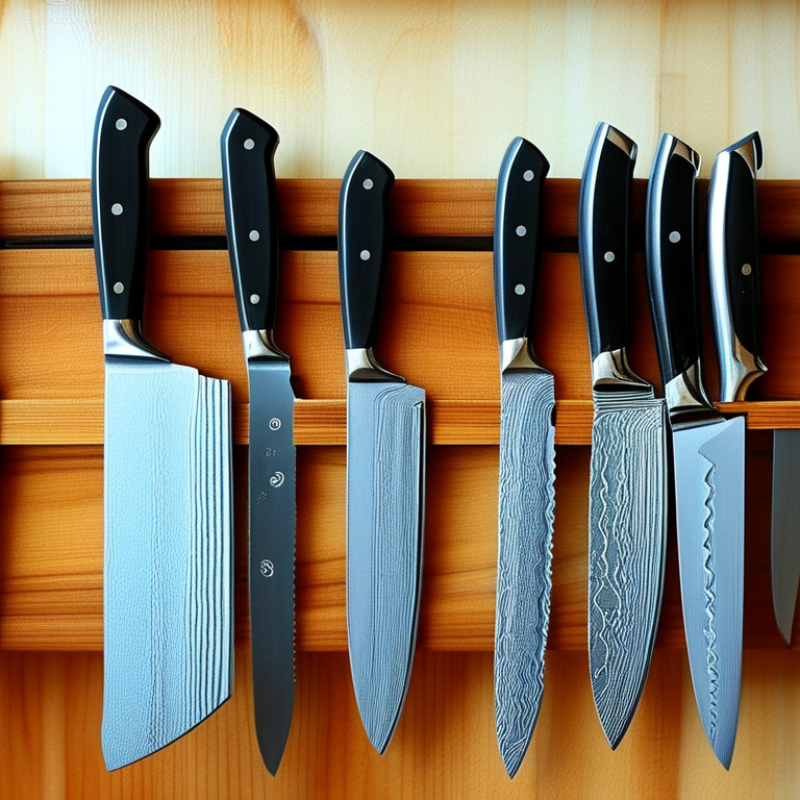
Storing sharp kitchen knives without a block can be a challenge. One effective method is using a magnetic strip. This allows you to display your knives while keeping them accessible. Ensure the strip is securely mounted. Choose a location that avoids moisture. This will help maintain the blade's sharpness.
Another option is to use a drawer insert. This can keep knives organized and protected. Look for inserts with designated slots for each knife. It’s a tidy solution for small spaces. Be mindful, though. Without proper organization, a drawer can become cluttered. This can lead to dull blades over time.
Lastly, consider knife sheaths. They offer excellent protection for the blade and finger safety. Sheaths can be made of plastic or leather. Make sure they fit snugly to prevent movement. However, storing sheaths in a drawer may require regular checks. This helps avoid issues like moisture buildup. Keeping your knives well-stored requires attention and routine maintenance.
Storing sharp kitchen knives correctly can significantly affect their longevity and safety. A knife’s blade is susceptible to damage from improper storage methods. For instance, using a drawer without safeguards can lead to nicks and dull edges. Choosing the right storage solution is crucial to maintaining the functionality of your knives.
Magnetic strips are an excellent alternative to knife blocks. They keep blades visible and easily accessible. This visibility can help you avoid accidental cuts when rummaging through a drawer. However, ensure that the knives are clean before placing them on the strip to prevent any potential rusting.
Another effective storage option is using blade guards. These are especially useful for non-block setups. Blade guards can protect edges from damage and keep fingertips safe when reaching into a drawer. Still, not every knife fits perfectly into a guard, which can be a concern for some.
Consider your kitchen space carefully. Each storage solution has its pros and cons. A magnetic strip may take up wall space, while a drawer could lead to disorganized chaos. Reflect on what method suits your needs and promotes safety in your kitchen. Adaptability is key to ensuring your knives remain sharp and your hands stay safe.
Storing kitchen knives effectively is crucial for safety and convenience. Magnetic strips provide a sleek and modern solution. They offer easy access and visibility, making it simple to select the right knife for any task. Additionally, magnetic strips can be installed on walls or inside cabinets, saving counter space. However, they might not securely hold heavier knives, leading to potential accidents.
On the other hand, wall-mounted solutions also present unique advantages. These can include magnetic boards or decorative racks that blend with kitchen decor. Such options allow for personalization, showcasing your knife collection as art. They typically offer better weight support for larger knives, but installation can be tricky. Correct placement is essential to ensure safety and accessibility.
Both storage methods come with their challenges. Magnetic strips might require regular maintenance, as dust and debris can affect their hold. Wall-mounted racks may require extra effort to reach high-mounted items. Navigating these factors can help you find the best solution for knife storage. Ultimately, choosing the right option depends on your kitchen setup and personal preferences.
Many home cooks seek efficient ways to store sharp kitchen knives without traditional blocks. One effective method involves using drawer inserts, designed specifically for knife storage. These inserts protect knives while maximizing space in drawers, a feature especially valuable in smaller kitchens.
According to a report from the American Knife and Tool Institute, proper knife storage can significantly extend the life of a knife. In fact, when knives are stored loosely, they risk dulling and damage. Drawer inserts provide slots that hold knives securely and protect the blades from accidental contact that could lead to chipping. The design allows easy access but requires careful organization; without it, drawers can quickly become cluttered.
Choosing the right material for these inserts is crucial. Wood or synthetic materials are preferable as they provide durability and prevent moisture. However, improper maintenance can lead to bacterial growth, which needs to be addressed regularly. While drawer inserts offer great protection, users must be aware that if not cleaned regularly, they may harbor hidden germs. This highlights the continuous challenge of maintaining cleanliness while ensuring safety and efficiency in kitchen knife storage.
When it comes to storing sharp kitchen knives, considering alternatives to traditional blocks can enhance both safety and convenience. Knife rolls offer a portable and organized solution. They typically feature individual slots for each knife, keeping blades secure during transport. Made from durable materials, these rolls protect knives from damage and minimize the risk of accidents. Ideal for chefs on the go, the right roll can ensure that your knives remain in top condition.
Sheaths are another practical option. They are lightweight and can often be used on various knife types. These simple covers fit snugly over the blade, preventing dulling and accidental cuts. While sheaths are convenient, they require careful storage to avoid losing them. It's essential to choose sheaths that fit well to prevent slippage.
Both knife rolls and sheaths have their pros and cons. They require mindful handling to ensure safety and blade integrity. Sometimes, it’s easy to overlook how improper storage can lead to costly mistakes. By investing time in choosing the right storage method, you can not only keep your kitchen safer but also prolong the life of your knives.
: Drawer inserts are designed to hold knives securely and protect their blades in kitchen drawers.
They can extend the life of knives by preventing dulling and damage from loose storage.
Wood or synthetic materials are best. They provide durability and moisture resistance.
If not maintained, they may harbor bacteria, posing a health risk in the kitchen.
Knife rolls are portable storage solutions with slots for each knife, ideal for chefs on the go.
Yes, sheaths protect blades from dulling and cuts, but they must be stored carefully to avoid loss.
Users must handle these storage options mindfully; improper storage can lead to costly mistakes.
Regular cleaning is essential, as neglecting it can undermine the safety of knife storage solutions.
Without proper organization, storage solutions can become cluttered, making it harder to locate knives quickly.
Investing time in selecting the right method can enhance safety and prolong knife longevity.
Storing sharp kitchen knives without a block requires careful consideration to ensure the longevity of the blades and ensure safety during use. One effective method is utilizing magnetic strips or wall-mounted solutions, which not only keep knives accessible but also help in showcasing them as part of the kitchen decor. Additionally, drawer inserts can maximize space while providing protection for the blades, allowing for a neat and organized storage solution.
For those seeking alternative storage options, knife rolls and sheaths provide practicality and portability. These options are especially beneficial for chefs on the go or individuals with limited kitchen space. Understanding how to store sharp kitchen knives without a block is essential in maintaining blade quality, ensuring safety, and promoting efficient kitchen organization.
